
The Assaults’ Emotional Aftermath
Women TalkingThe story follows distinct forms of trauma without reducing the women to a single response or recovery path.
increasing Bearing strength in each event
 decreasing
Bearing strength in each eventdecreasingThe Victims Are Doubted
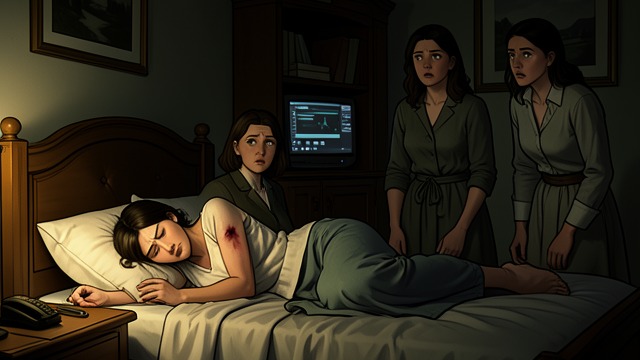
Injury Without Recognition
Competing Explanations
Women wake in pain but are told that ghosts, divine punishment, or imagination may explain their injuries. Their testimony is repeatedly discredited.
Harm Made Invisible
The denial isolates victims and leaves them without meaningful care. The social response compounds the original violence.
Mina’s Death
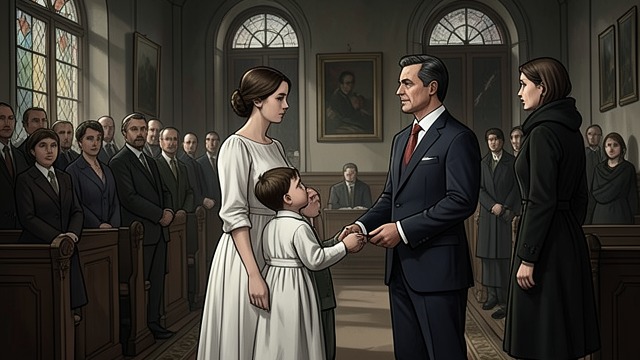
A Loss Concealed
A Daughter Is Attacked
After Neitje Friesen is assaulted, Mina Friesen is told first that Satan is responsible and then that the incident is imagined. She demands a truthful account.
A Suicide Rewritten
Mina dies by suicide, and Peters presents her death as an accident. Ona exposes the lie at the funeral, but the community’s account cannot restore Mina.
Nettie’s Silence
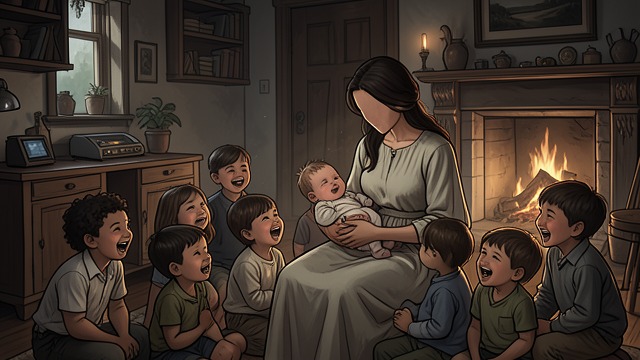
Trauma Alters Speech
A Devastating Attack
Nettie Gerbrandt suffers an assault, a premature birth, and the death of her infant. She stops speaking to adults and takes the name Melvin, according to Mariche Loewen.
Care Without Explanation
She communicates with children and helps watch them. The women make room for her behavior rather than demanding a conventional recovery.
Mariche Returns Injured
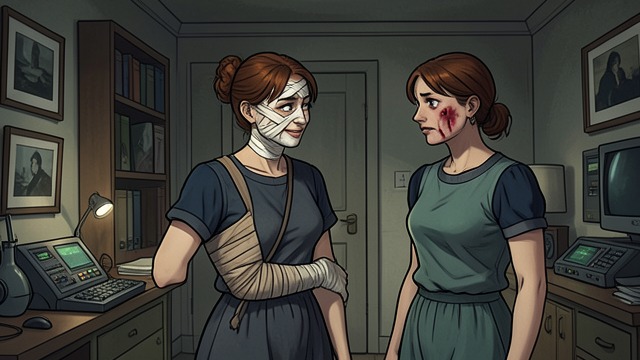
Violence at Home
A Bruised Arrival
Mariche Loewen arrives with facial injuries and an arm in a sling; Autje Loewen also bears a bruise. Their injuries reveal that danger continues inside families.
Defiance Under Pressure
Mariche jokes and returns to the meeting rather than withdrawing. Her presence exposes both her resilience and the limits of the women’s ability to protect one another before leaving.
Trauma Is Not Uniform
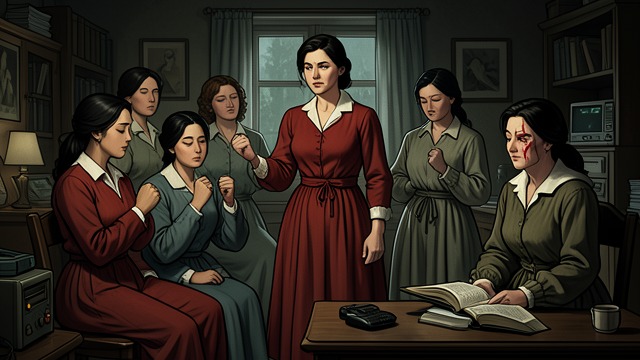
Many Responses, No Single Rule
Anger and Withdrawal
Salome Friesen channels rage into action; Mejal Loewen experiences episodes; Ona Friesen is treated as eccentric; Nettie/Melvin retreats from adult speech.
Refusing a Hierarchy of Pain
Salome argues that victims’ responses differ and none is automatically more valid. The women’s conversations resist turning survival into a test of moral worth.
2005–2009, during the assaults
Before the June 2009 meetings
Before and during the June 2009 meetings
June 7, 2009, before the second meeting
June 6–7, 2009, across the two meeting days
